
You Don't Need a Teaching Degree to Homeschool Pre-K (Here's What You Actually Need)
If you've been eyeing that "enroll now" button for a traditional preschool and feeling a knot in your stomach, you're not alone. Somewhere between the tuition costs, the drop-off tears, and the nagging feeling that maybe I could just do this myself, a lot of moms land in the same place: standing at the edge of homeschooling their 3-to-5-year-old, unsure where to even begin.
Here's the good news. Pre-K is not kindergarten moved a year early. It's not daycare with flashcards. And it definitely doesn't require a teaching degree, a Pinterest-perfect playroom, or a color-coded bell schedule taped to the fridge.
What it does require is a little structure, a handful of good materials, and the willingness to follow your child's curiosity. That's it. That's the whole secret.

The problem with most homeschool advice
Search "how to homeschool preschool" and you'll fall into a rabbit hole of 40-page curriculum guides, $200 boxed programs, and Instagram reels of impossibly tidy learning shelves. It's overwhelming — and honestly, most of it skips the one thing a first-time homeschooling mom actually needs: a simple, doable starting point.
That's the gap Little Learners at Home: A Pre-K Homeschooling Starter Course was built to fill.
What Pre-K learning actually looks like
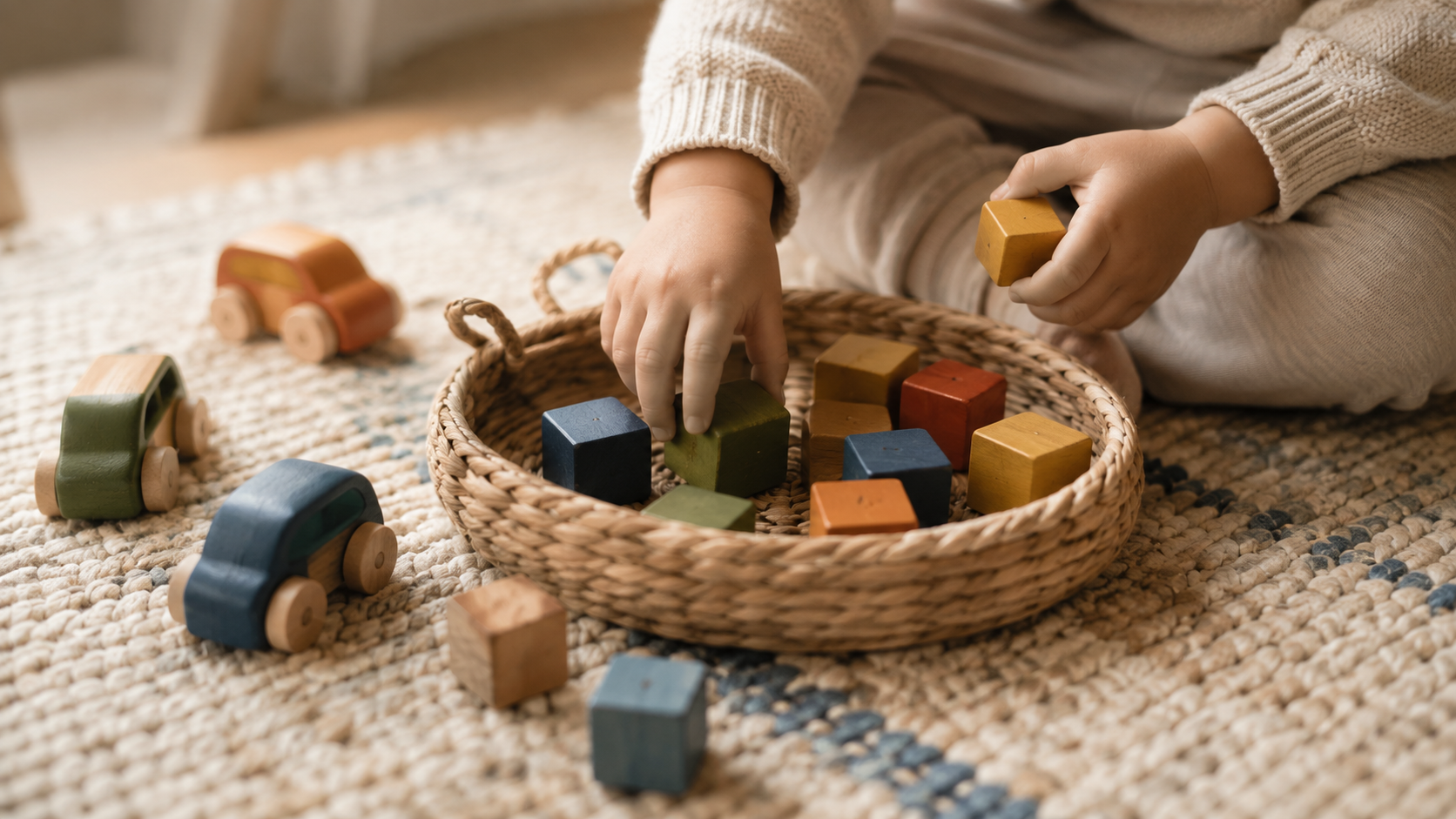
Before you can plan a single lesson, it helps to understand what a 3-to-5-year-old's brain and body are actually ready for. A child sorting toy cars by color? That's a math lesson — even though it doesn't look like one. Five ten-minute activities spread across the day? That teaches more than a single hour-long sit-down session ever will.
The course walks through four core learning principles that make everything else click into place:
Play is the lesson. You don't need a workbook to teach counting, sorting, or patterns — a laundry basket will do.
Short and often beats long and rare. Little attention spans need little lessons, repeated throughout the day.
Hands before eyes before paper. Let kids touch and manipulate a concept before they're asked to write it down.
Repetition is comfort, not boredom. If your child wants the same book for the fifth night running, that's not a phase to break — it's learning in action.
Once you understand how a Pre-K child learns, building a day around it stops feeling like guesswork.
A weekly rhythm, not a rigid schedule
One of the biggest fears first-time homeschoolers have is "What if I can't keep up a schedule?" The course sidesteps that entirely by teaching a rhythm instead of a strict timetable — one that flexes around naps, moods, and real life, while still giving your child (and you) a predictable shape to the day.
Inside, you'll find a full sample daily rhythm and a five-day weekly overview you can literally copy for your first week, covering everything from morning basket time to afternoon science exploration — all in about 90 minutes of guided learning, spread throughout the day.
What you'll actually need to buy (spoiler: not much)
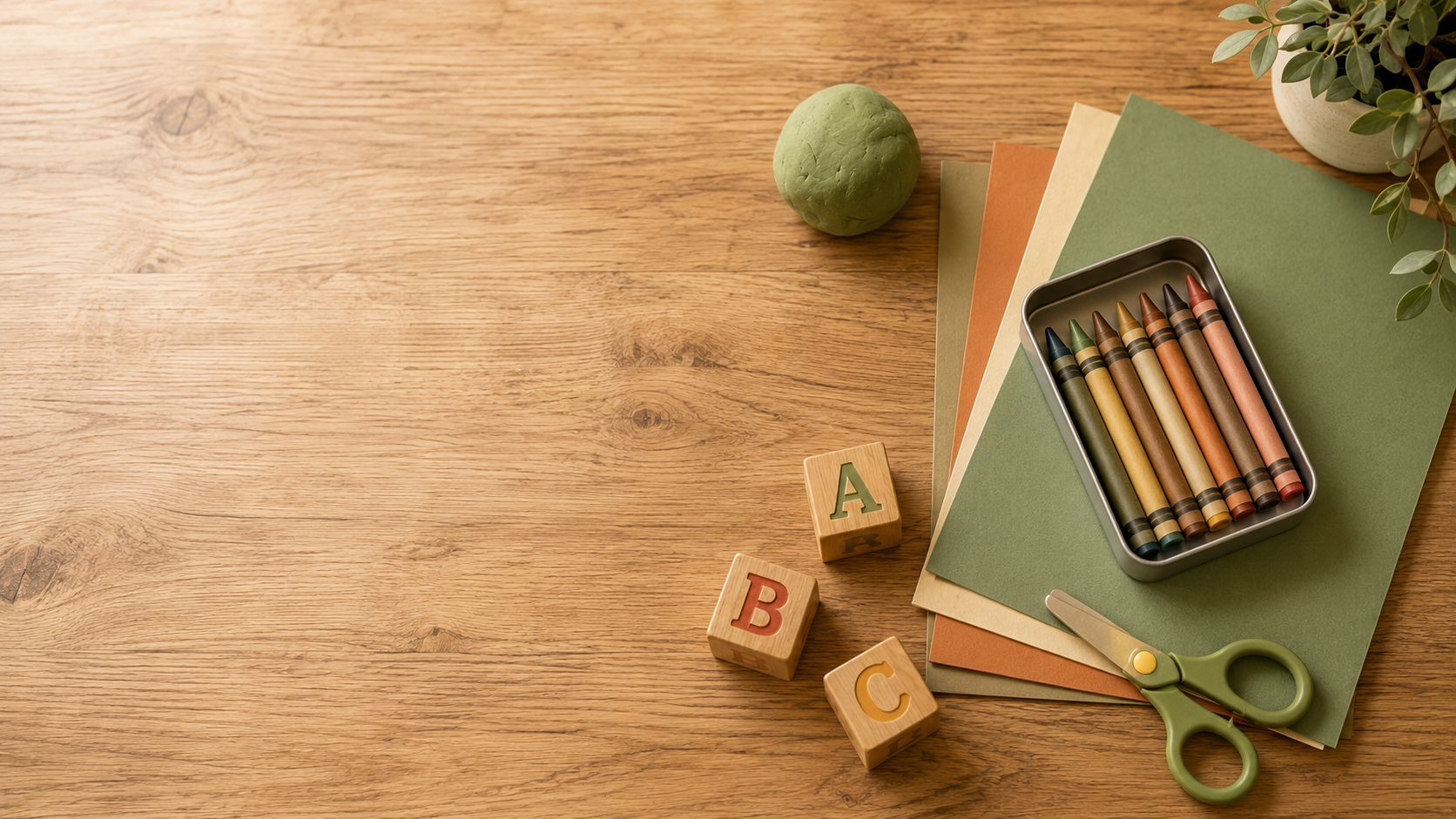
A lot of what stops moms from starting is the fear of the price tag. The course includes a full materials breakdown — split into true essentials, nice-to-haves, and free household substitutes — showing that most Pre-K learning can be done for under $75, using things like crayons, construction paper, playdough, and building blocks. Many families already have 60% of it sitting in a kitchen drawer.
Ready-to-use lesson plans, so day one isn't a guessing game
Rather than leaving you to figure out how to apply all of this, the course includes two full sample lesson plans — a Letter "B" day and a Counting to 5 day — that you can copy directly into your planner and try tomorrow, before customizing anything.
Tracking progress without tests, grades, or pressure
Pre-K doesn't need report cards. The course includes a simple monthly observation checklist covering language, letters, numbers, fine motor, gross motor, and social-emotional skills — so you can watch your child grow without ever comparing them to a curriculum's chart.
And when the hard days come
Because they will. The course closes with real, practical advice for staying sane over the long haul: protecting your own energy, building in a free-choice day each week, and knowing when to close the workbook and just go play. Burnout — not a bad lesson plan — is the real risk to a home preschool, and this course treats it that way.
Start where you are
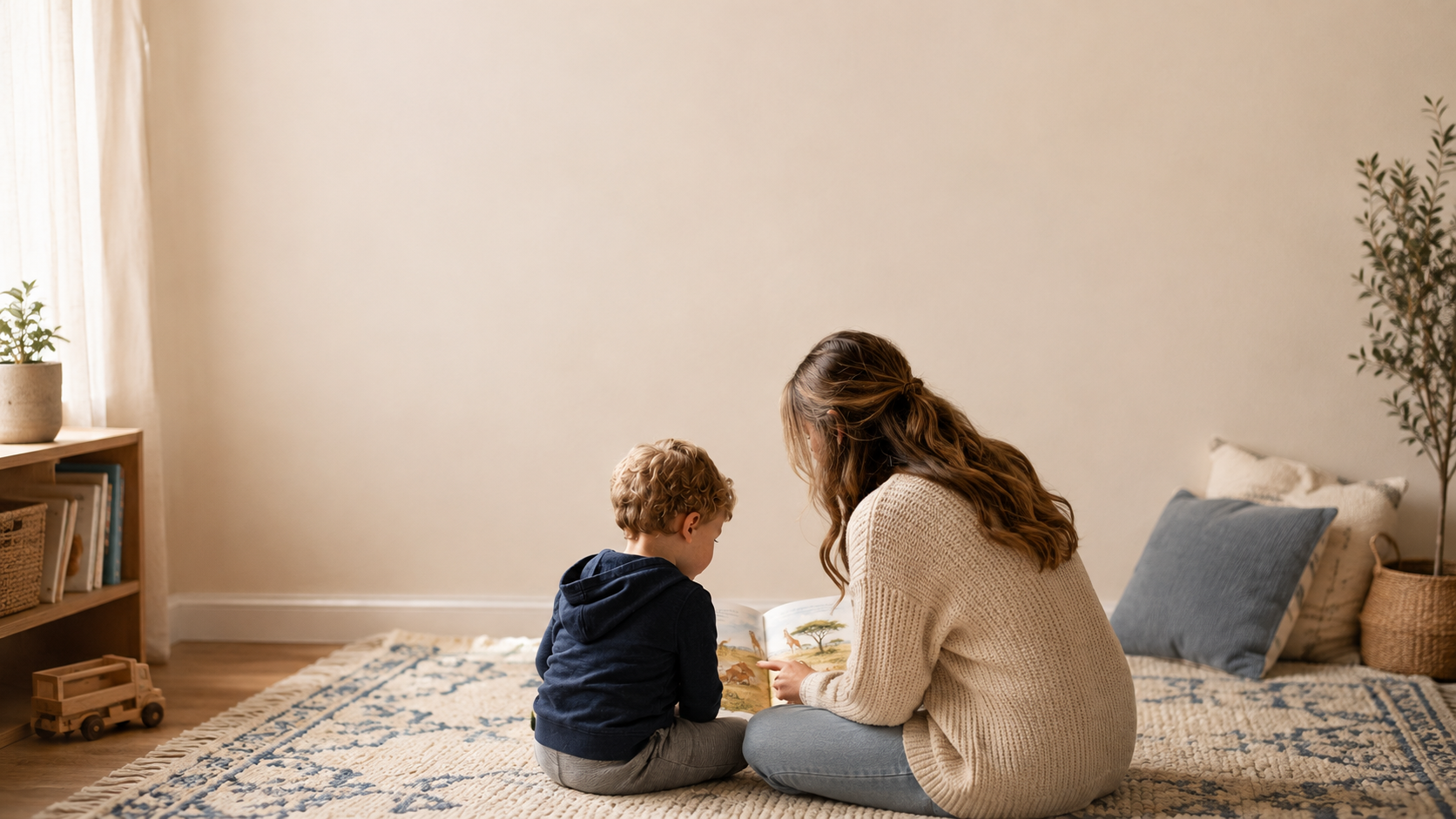
You don't need to wait until you feel "ready." Little Learners at Home is designed to meet you exactly where you are — even if that's standing in your living room wondering if you can really do this.
Spoiler: you can.
👉 Get Little Learners at Home — an instant digital download you can start using today.
No teaching degree. No perfect playroom. Just you, your child, and a plan that actually fits real life.
