If you’ve ever bought a set of phonics flashcards with the best of intentions, only to find them scattered under the couch cushions three days later… take a deep breath. You are in good company.
In a world filled with high-tech toddler tablets and aggressive early-learning curriculums, it’s easy to feel the pressure: Should my three-year-old know all their sight words? Are we falling behind?
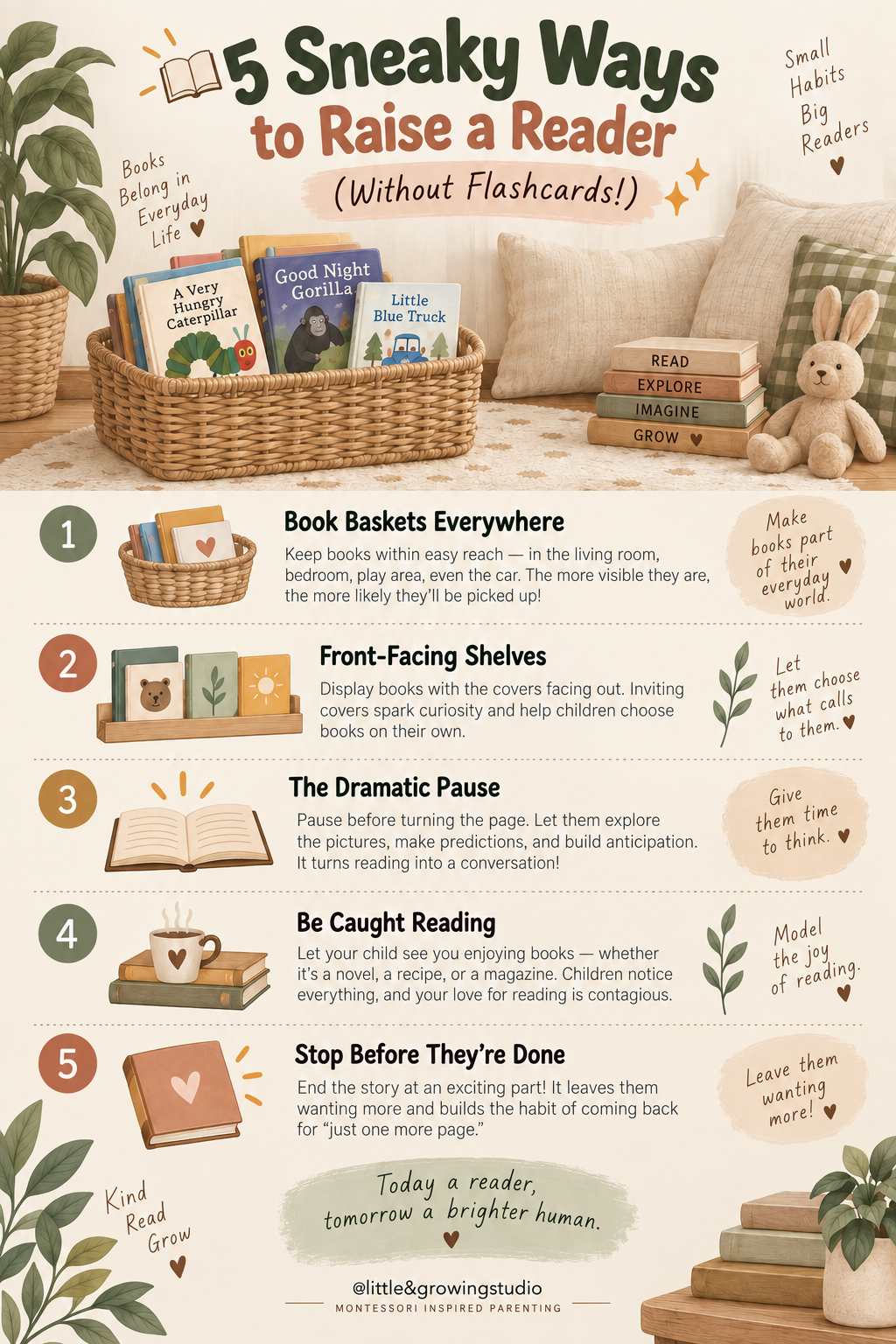
Here is the secret veteran teachers and pediatricians wish every exhausted parent knew: Before children learn how to read, they need to fall in love with what books feel like.
Raising a lifelong reader isn’t about drills, quizzes, or turning storytime into school. It’s about building playful, irresistible habits right at home—and making books feel just as exciting, dynamic, and magical as any toy in the toy bin.
Here are five simple, pressure-free ways to sneak reading into your child’s world—along with the exact interactive picture books that make it effortless.
1. Scatter Cozy Book Baskets Everywhere
Kids are opportunistic little creatures. If a block tower is within arm’s reach, they build. If a basket of books is sitting right beside their play mat, they will flip through pages.
Ditch the idea that books belong neatly tucked away in an upstairs nursery. Grab a few low, fabric or rope bins and place them wherever your daily life actually happens:
Next to the living room couch
Tucked beside their car seat for errands
Right on the floor next to the bathroom tub or breakfast table
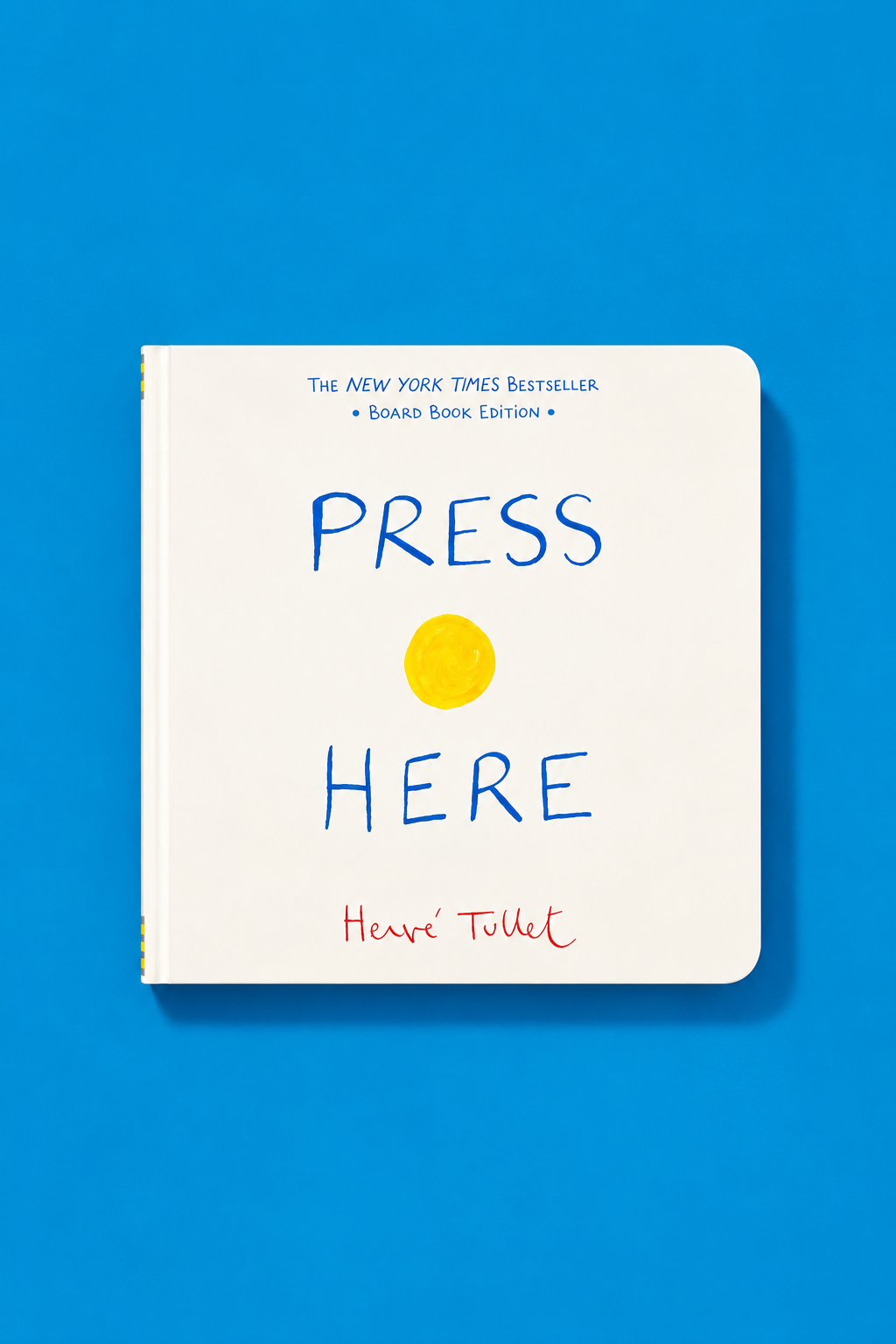
The Book to Drop Inside:
When your child pulls this off the top of the basket, they won’t think they’re "reading"—they’ll think they’ve found a magical game. With instructions to press a yellow dot, tilt the book to the right, or clap twice to make the dots scatter, it proves to fidgety toddlers that books are hands-on, tactile fun.
2. Embrace Front-Facing Shelves (Let Them Shop with Their Eyes)
Think about how adults browse a bookstore. We look at covers, striking illustrations, and colors. A toddler can’t read a thin title printed along a narrow book spine—to them, a standard bookshelf looks like a wall of cardboard rectangles.
Swap a traditional shelf for low, front-facing ledges (spice racks from IKEA work wonders on a budget!). When covers are displayed face-out like miniature works of art, kids can independently browse, point, and choose their own adventure.
The Book to Showcase:
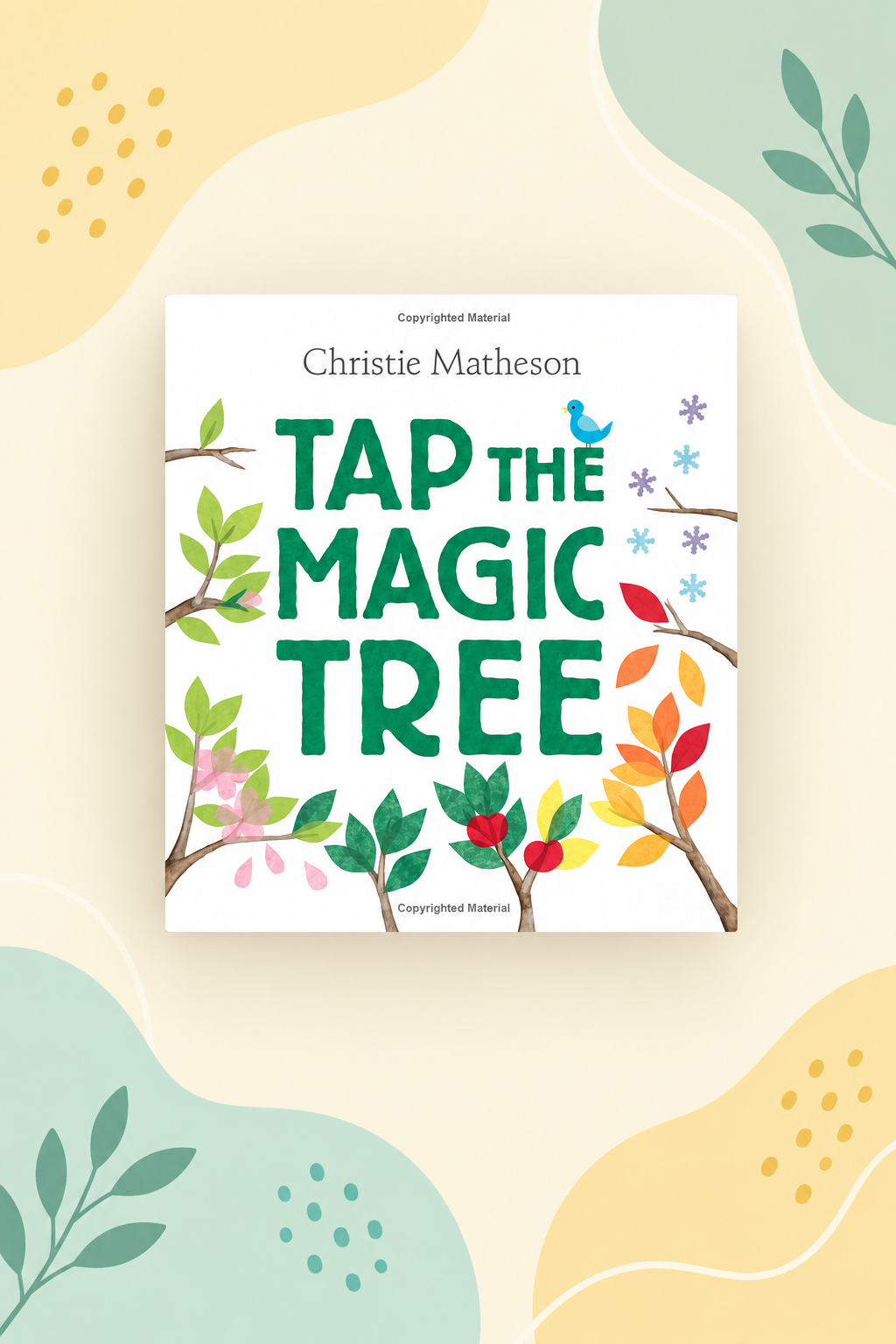
👉 Tap the Magic Tree by Christie Matheson
Put this beautiful cover forward where little hands can reach it. It invites reluctant or wiggly toddlers into the story immediately—asking them to tap a bare brown branch to sprout a bud, rub the page to warm it up, or blow a gentle breeze to shake autumn leaves loose. It gives children ownership over the story before they even know the alphabet.
3. Master “The Dramatic Pause”
Reading aloud doesn’t have to be a one-way monologue where you read and your child passively listens (or wiggles away). Turn it into a team sport using rhythm and rhyme.
When you read a book with a strong, predictable cadence, stop right before the final rhyming word. Lean in, raise your eyebrows, take an exaggerated breath, and wait:
"The ham was swapped for a shiny... [PAUSE]!"
Watch your child’s eyes light up as they instinctively shout the missing word. They aren’t just hearing language—they’re anticipating it, feeling the rhythm, and realizing they have the power to tell the story.
The Books to Try This With:
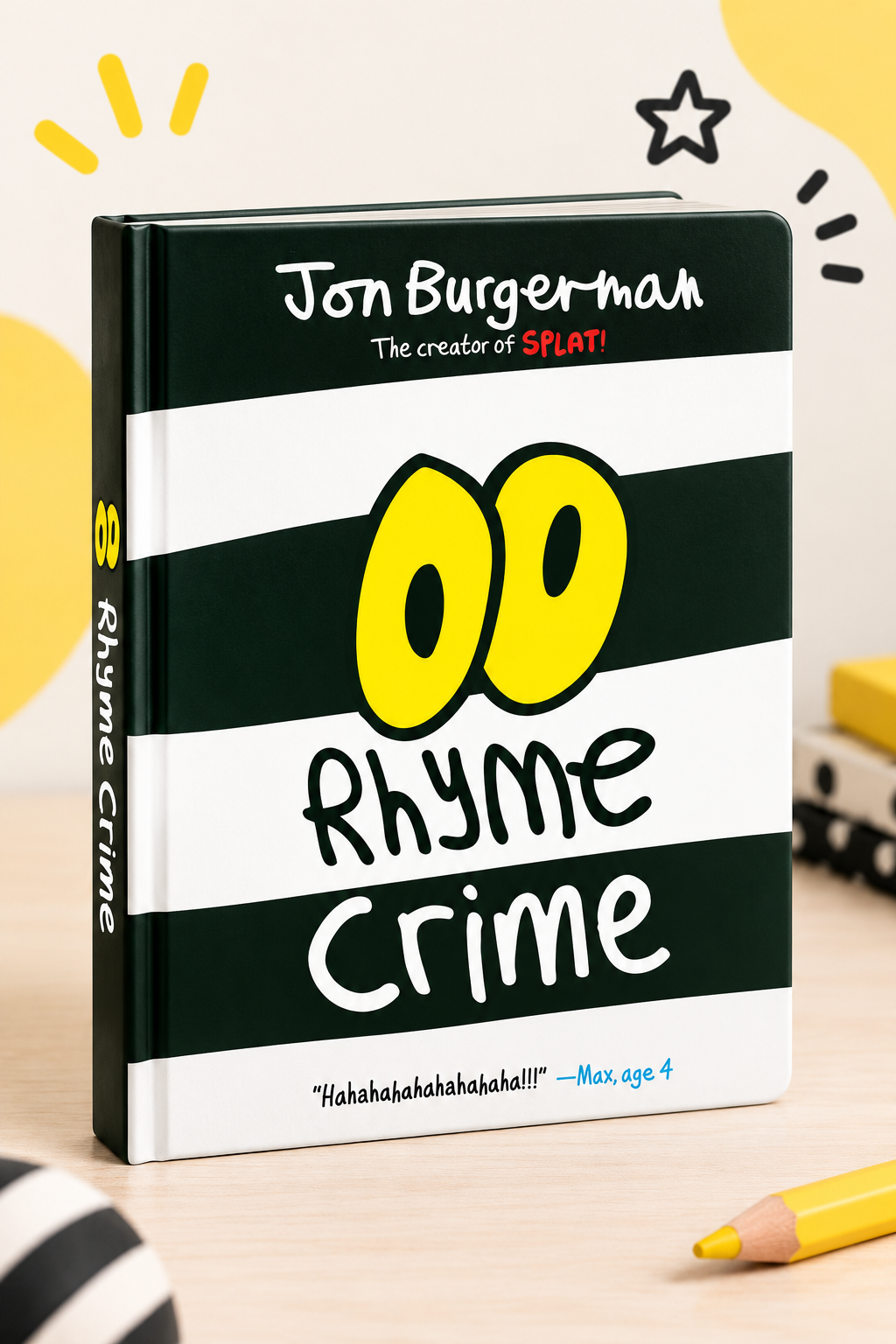
👉 Rhyme Crime by Jon Burgerman
Bursting with quirky humor and punchy, predictable rhymes, this story practically begs for the Dramatic Pause. Kids love catching the "culprit" by guessing the absurd replacement rhyme before you turn the page.
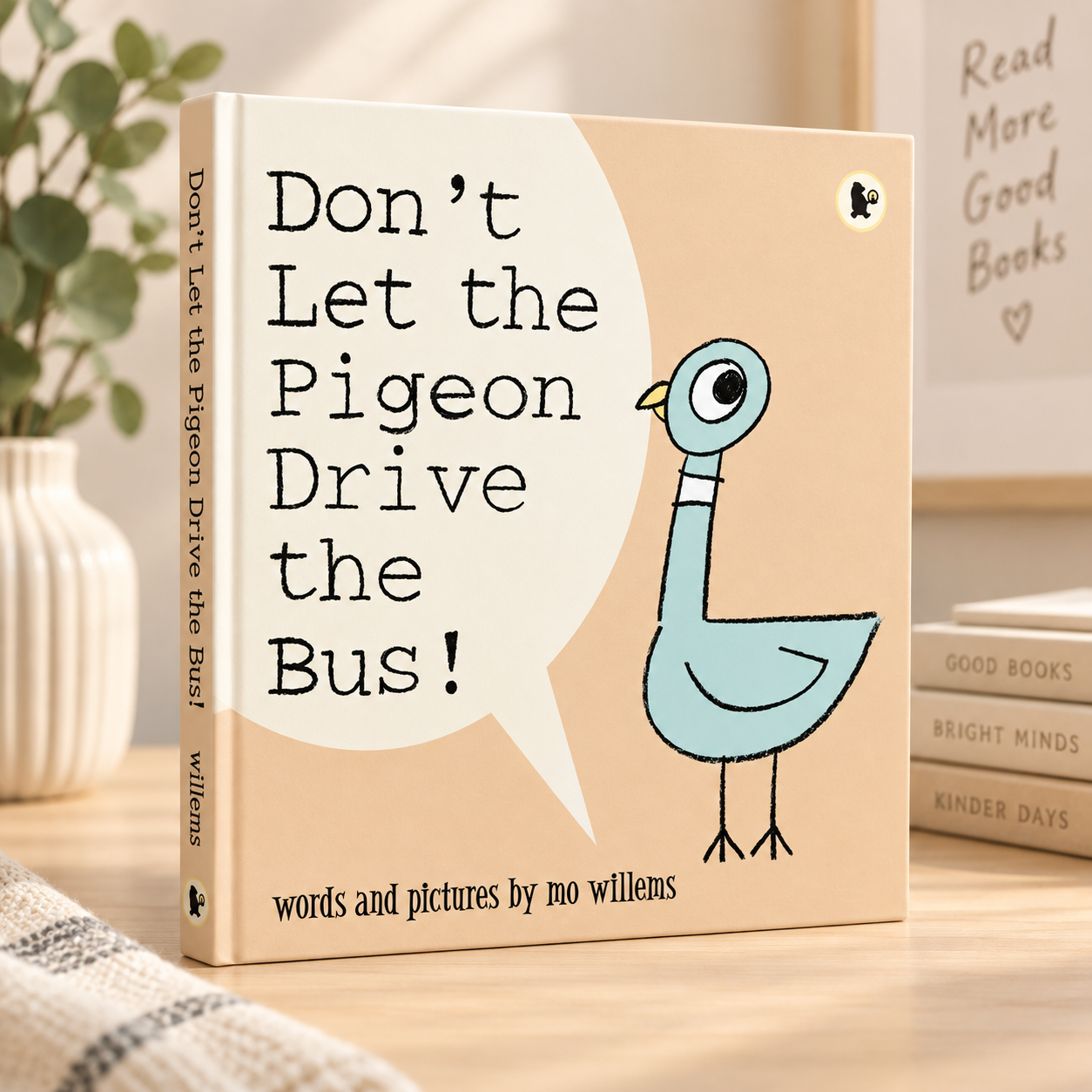
👉 Don’t Let the Pigeon Drive the Bus! by Mo Willems
While not a rhyming book, this classic takes the call-and-response routine to another level. The persistent pigeon pleads directly with your toddler to let him drive. It demands a loud, emphatic vocal response ("NO!"), transforming quiet storytime into an interactive conversation that has kids giggling from page one.
4. Be “Caught” Reading
Children are world-class mimics. If they only ever see us looking at rectangular glowing screens, they internalize that screens are the adult world's most prized reward.
Let your child catch you enjoying physical paper. Keep a novel on the coffee table, browse a magazine while they play with their trains, or read a cookbook at the kitchen island. You don’t need an uninterrupted two-hour block (who has that?); even five minutes of seeing Mom or Dad immersed in print sends a powerful, quiet message: Reading is something we do just for joy.
5. Stop Before They’re Done
This is the hardest rule for parents, but by far the most powerful.
When storytime is going well, our instinct is to push for "just one more chapter" or squeeze in another educational title. But when we read until our child gets restless, rubs their eyes, or melts down, the session ends on a note of friction or exhaustion.
Instead, wrap up while they’re still laughing, engaged, and begging for more:
"We're going to close this right here to see what happens to the pigeon tomorrow!"
Closing the book on a high note leaves behind a lingering sense of anticipation. It turns reading from a chore they were forced to finish into a treat they can’t wait to return to.
The Big Takeaway
Raising a reader doesn't happen during high-stakes drills at a desk. It happens in the cozy, messy in-between moments: a warm lap on a Tuesday afternoon, a basket of well-loved paperbacks beside the couch, and the shared belly laugh over a persistent blue pigeon.
Start small this week: grab a low basket, put a couple of interactive books face-out, and pause before the last rhyme. You’re building a reader for life—one playful giggle at a time.
Explore a wonderful selection of read-aloud and early learning picture books!
It is a fantastic option for mommies who want to preview digital books before buying or play gentle read-aloud audio as a calm background sound while children are busy with their learning activities. Click the Amazon links below to start your free trial and explore thousands of children’s digital books today!

Listen on the Go
Grab two free parenting audiobooks with an Audible 30-Day Free Trial—perfect for listening while cooking, driving, or folding laundry.

Quiet-Time Stories for Kids
Access thousands of ad-free children’s books and mindfulness stories for your Peace Corner with an Amazon Kids+ Free Trial.

Classrooms & Childcare Setup
Register a free Amazon Business Account to unlock bulk savings and tax-exempt purchasing for educational materials.
